Principle Generator

Draw a card for design inspiration!

Pull 1-3 cards (from the same or different categories!) as provocation or design inspiration for your next creative exercise. Try using them to modify existing concepts for space, or to come up with totally new ideas for how humans might work and live off-planet.
Design Principles

Sensory

Sound

Example

"Another smoke detector alarm today. I was exercising but made sure I checked out the situation. It is good training to react as if it is a real emergency."

See recommendation >

Partitions and material choices may help lessen the constant high and low frequency noise generated by fans, ECLSS, and other equipment, but must still allow warning sounds to permeate.

See example >
Sensory

Sound

Example

"Watching [World Cup] soccer on the laptop via Ku uplink has become the community activity of late. …There is something great about watching live major sporting events up here. Gives a good connection to family and friends."

See recommendation >

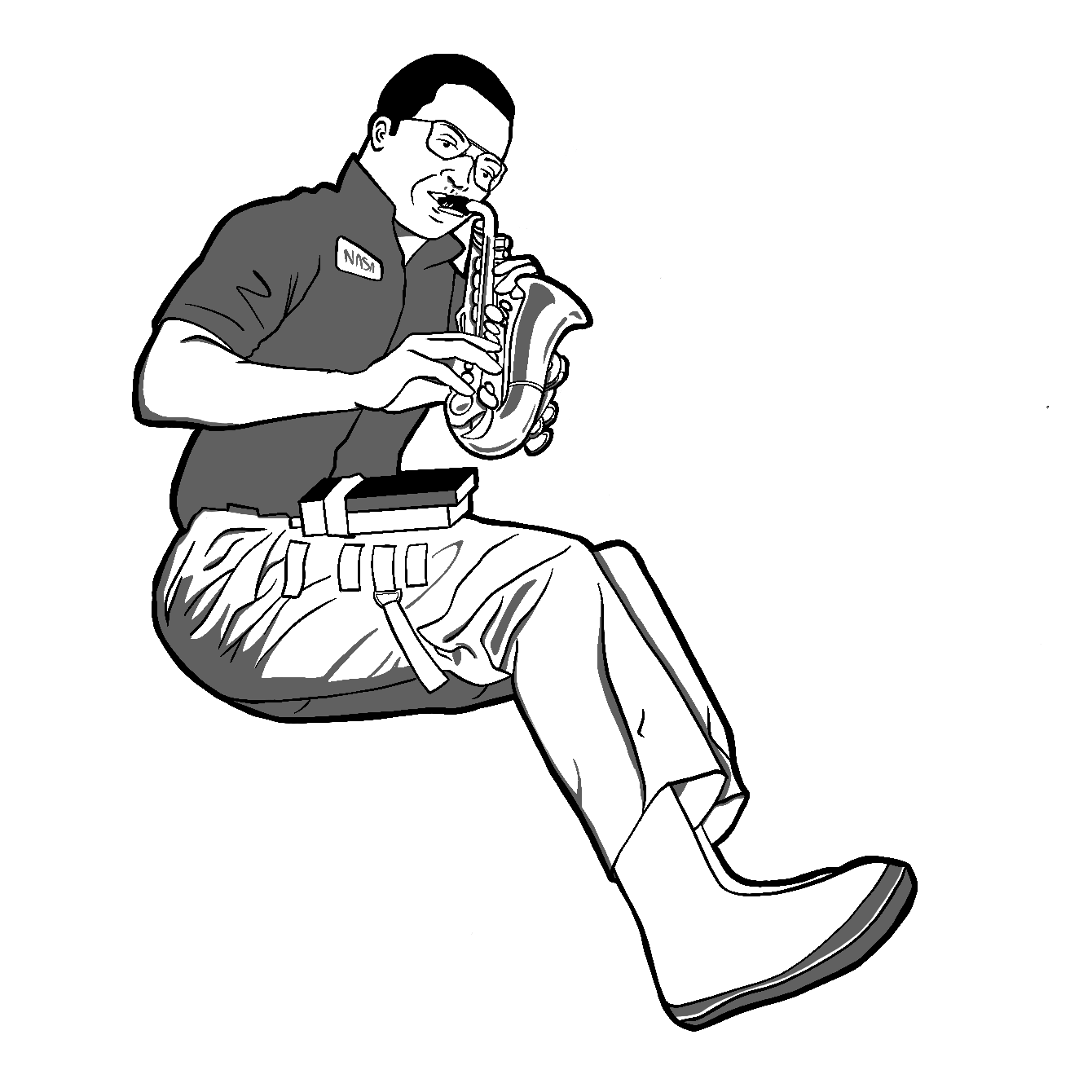
Interiors should allow for communal acoustic enjoyment (e.g. concerts, movies) and account for the need to get close to one another to hear.

See example >

Meta-Principles

OVERALL

Meta-Principle 01

Involving individuals who have an embodied experience of life in space in the design process for space environments will allow for more productive, livable outcomes.

Learn more >

Meta-Principle 01 was derived from conversations with participants about the ways astronauts were involved in the design process, including the selection of items for personal use and positive collaboration experiences when contributing to space design. It also stems from less positive descriptions of “afterthoughts” associated with the space environments they experienced, as well as challenges of unanticipated and unintended uses of spaces and objects.

View principle >

OVERALL

Meta-Principle 02

Improvisation should be encouraged and facilitated, as crews enjoy the opportunity to improve their environment and generate their own in-situ solutions.

Learn more >

Meta-Principle 02 highlights the importance of moments of agency and creative innovation. Creative problem solving was connected with the idea of ‘feeling human,’ which mirrors findings in precedent literature that “meaningful work” can help with the adaptation to space environments. However, it is important to note that one participant raised a substantial caveat—the experience and intent of the person improvising matters, as well as what they are creating, given the high-stakes nature of space environments. How much a tourist should improvise in space, and whether there are ways to allow for safe improvisation in the initial design of habitations, is an open question worth investigating.

View principle >
OVERALL

Meta-Principle 03

Planning for the life cycle of a space habitat requires knowledge of what needs to remain consistent, what should be updated over time, and what should be flexible and personal.

Learn more > 

Meta-Principle 03 arose from three pairs of themes and their interactions, as identified by a majority of participants. Flexibility and preference were strongly suggested when considering aspects of human life in space that vary considerably due to differences between people and mission needs. However, participants often juxtaposed these themes directly with an emphasis on the use of standards and guidelines to make similar elements on the ship consistent across modules and agencies. These themes all relate to a better understanding of the life cycle of a space environment, and the need to account for updating and maintenance of certain systems.

View principle >